

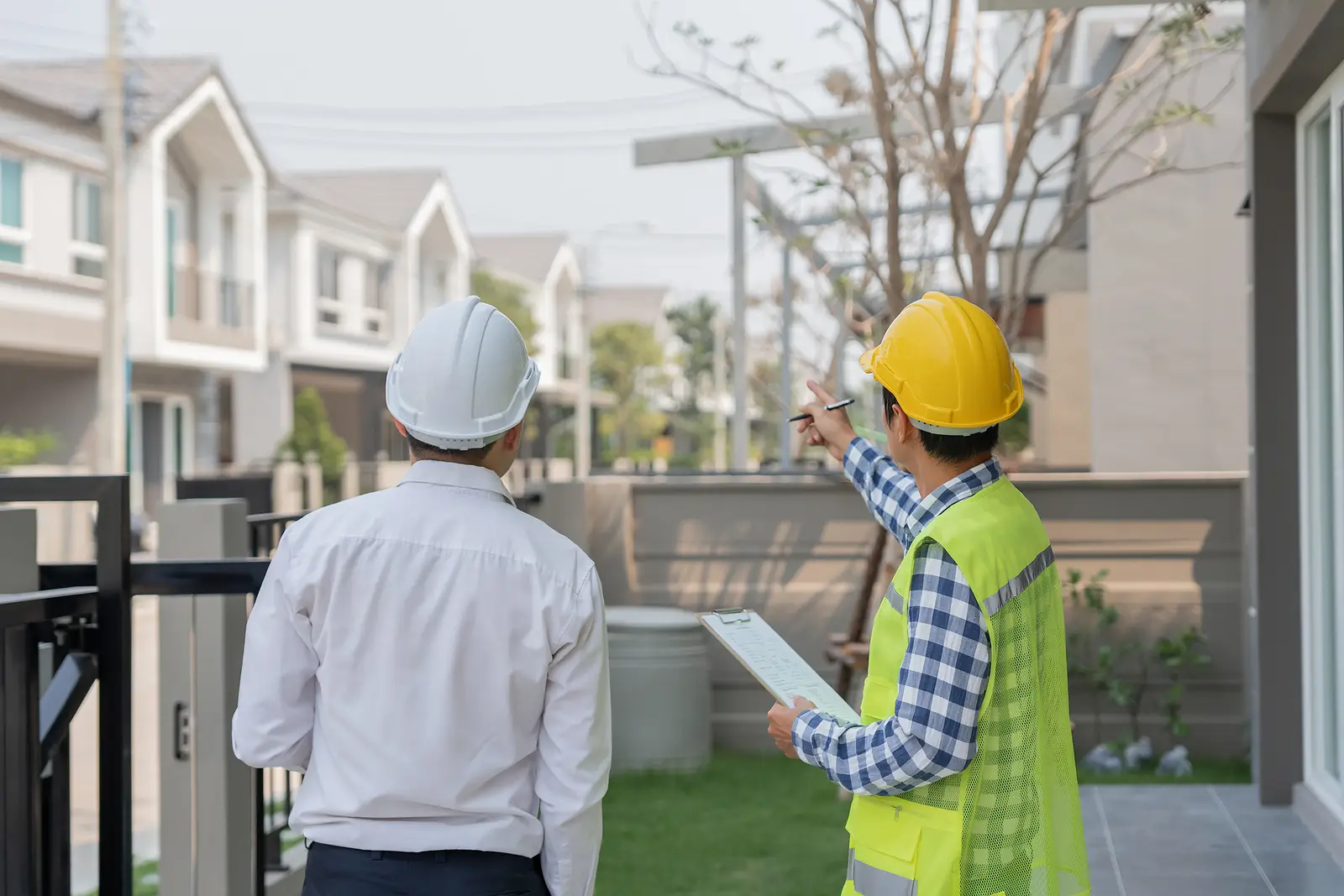
The true test of a rental property upgrade rarely happens during installation. It happens years later, after tenants have moved furniture across the floors, used fixtures every day, and lived in the home through multiple lease cycles. Some improvements continue performing well under those conditions, while others gradually become a source of recurring expenses.
Recent discussions about smart rental technology show that many Gilbert investors are prioritizing durability and efficiency over purely cosmetic improvements. That shift reflects a growing focus on long-term property performance rather than short-term visual appeal.
Knowing which renovations tend to hold up and which ones often require ongoing attention can help rental owners make more informed investment decisions.
Key Takeaways
- Durable upgrades often outperform luxury finishes in rental properties.
- Repeated tenant turnover can accelerate wear on expensive materials.
- Flexible layouts generally attract a wider range of renters.
- Practical renovations can reduce maintenance and replacement costs.
- Long-term returns depend on performance as much as appearance.
Why Everyday Use Changes the Value of an Upgrade
A renovation may look outstanding when it's first completed. The challenge comes later when materials face years of regular use.
Rental properties experience unique forms of wear. Furniture gets moved during turnovers, maintenance teams perform repairs, and tenants interact with surfaces every day. These factors can reveal weaknesses that aren't obvious during the planning stage.
For Gilbert property owners, selecting upgrades that remain reliable over time often leads to lower operating costs and fewer unexpected expenses.
Hardwood Flooring Can Become an Ongoing Maintenance Item
Hardwood flooring remains a popular choice because it creates a polished appearance that many renters appreciate.
Over several lease cycles, however, scratches, dents, and surface wear become increasingly difficult to ignore. Refinishing projects can be costly and may delay the leasing process.
Flooring Choices Built for Rental Durability
Luxury vinyl plank has become a preferred option for many rental owners because it combines visual appeal with practical benefits.
Advantages include:
- Better scratch resistance
- Easier cleaning between tenants
- Lower replacement expenses
- Improved moisture protection
Owners who pair durable flooring with structured rental maintenance services often find it easier to manage long-term property expenses.
Premium Carpet Frequently Requires Earlier Replacement
Many landlords invest in premium carpet expecting a longer lifespan. Rental conditions often produce a different outcome.
Foot traffic, stains, furniture placement, and routine occupancy gradually wear down carpet fibers. Even professional cleaning cannot completely prevent deterioration.
Looking Beyond Installation Costs
The true cost of carpet includes several ongoing expenses.
Cleaning and Restoration
Deep cleaning becomes a recurring turnover expense.
Wear and Tear
High-traffic areas usually show visible aging first.
Vacancy Impacts
Replacement projects can lengthen turnover periods.
Property owners often begin evaluating renovation priorities through a rental performance review before committing to major upgrades.
Custom Cabinets Can Create Repair Challenges
Custom cabinetry often creates an impressive first impression. The challenge appears when repairs become necessary years later.
Cabinet edges, corners, and doors receive constant use. Matching specialty finishes or discontinued colors may require larger repairs than anticipated.
Why Simpler Cabinet Designs Stay Competitive
Straightforward cabinet styles often provide greater long-term value because they remain practical and easier to maintain.
Benefits include:
- Easier touch-ups
- Lower repair costs
- Faster maintenance work
- Broader renter appeal
Rental owners frequently discover that timeless designs remain attractive long after trends have changed.
Decorative Fixtures May Increase Future Costs
Designer lighting and specialty hardware can elevate a property's appearance, but maintenance often becomes more complicated over time.
A broken fixture may require searching for discontinued components or replacing multiple fixtures to maintain a consistent appearance throughout the home.
According to the U.S. Energy Information Administration, lighting accounts for approximately 3.4% of electricity use in American households. Because fixtures operate daily, wear is inevitable.
Common Problems With Specialty Fixtures
Property owners frequently encounter:
- Difficult-to-source replacement parts
- Longer repair timelines
- Increased labor costs
- Inventory challenges
Standardized fixtures typically simplify future maintenance.
Trend-Based Kitchens Can Become Dated Quickly
Kitchen renovations often represent one of the largest investments in a rental property. While design trends attract attention initially, they rarely remain current forever.
Bold finishes, highly customized backsplashes, and niche color palettes may require updating sooner than expected.
Investors exploring floor plan strategies for rentals often find that functionality contributes more to long-term success than short-lived design trends.
Characteristics of Durable Kitchen Design
The most successful rental kitchens usually prioritize practicality.
Neutral Finishes
Simple color palettes remain appealing across changing trends.
Functional Layouts
Well-organized spaces support everyday convenience.
Readily Available Materials
Common materials simplify repairs and replacements.
These qualities help kitchens remain competitive through multiple tenant turnovers.
Built-In Features Can Limit Future Flexibility
Built-in desks, custom entertainment centers, and permanent shelving systems may appear beneficial during renovation planning. However, they can reduce flexibility for future renters.
Tenants need to change over time. What works perfectly for one household may not fit another.
The importance of adaptability becomes clear when considering next steps after purchasing a rental, where versatility often contributes to stronger long-term performance.
Flexible Spaces Appeal to More Renters
Adaptable layouts can accommodate:
- Home offices
- Guest rooms
- Fitness equipment
- Multi-purpose living areas
Flexibility often provides more lasting value than highly customized installations.
Luxury Bathrooms Can Demand Constant Attention
Bathrooms experience daily exposure to moisture, cleaning products, and frequent use. Certain luxury upgrades require ongoing maintenance to preserve their appearance.
Frameless glass shower systems, specialty fixtures, and premium surfaces often need more upkeep than practical alternatives.
Owners evaluating future improvements frequently benefit from understanding rental profit strategies because profitability depends on controlling maintenance costs as well as increasing income.
Bathroom Features That Often Deliver Better Long-Term Results
Many rental owners prioritize materials that provide:
- Easier cleaning
- Greater durability
- Lower replacement costs
- Simpler repairs
National rental demand remains steady. According to the U.S. Census Bureau, the rental vacancy rate reached 7.1% in Q3 2025, highlighting the importance of maintaining attractive and efficient rental properties.
Property owners planning future improvements often use a rental return calculator to compare renovation costs with expected long-term performance.
FAQs about Rental Renovation Decisions in Gilbert, AZ
What renovation upgrades usually provide the best value in rental properties?
Durable flooring, neutral finishes, practical layouts, and standardized fixtures often provide strong long-term value because they reduce maintenance requirements while remaining attractive to a broad range of renters.
Can a renovation improve a rental property's marketability without increasing maintenance costs?
Yes. Improvements that focus on functionality, durability, and ease of upkeep can make a property more appealing while helping owners avoid unnecessary future repair expenses.
Why do some expensive renovations fail to deliver strong returns?
Certain upgrades require frequent repairs, specialized maintenance, or earlier replacement than expected. Those ongoing costs can gradually reduce the financial benefits originally anticipated from the investment.
How should landlords evaluate renovation decisions before starting a project?
Owners should consider durability, replacement costs, maintenance requirements, and renter preferences. Looking beyond installation expenses often leads to more informed and profitable renovation choices.
What role does tenant turnover play in renovation planning?
Tenant turnover increases wear on flooring, fixtures, cabinets, and finishes. Renovations that account for repeated occupancy generally perform better and remain cost-effective over a longer period.
Putting Renovation Budgets to Better Use
Years of occupancy can reveal which upgrades were built for rental performance and which were selected primarily for appearance. Durable materials, practical layouts, and maintenance-friendly finishes often provide stronger financial outcomes because they continue performing well through repeated tenant turnover.
At PMI PHX Gateway, we help Gilbert rental owners evaluate improvement decisions with long-term results in mind. Whether you're planning future upgrades or reviewing your property's current condition, informed choices today can help reduce expenses tomorrow. Ready to gain more insight into your investment's potential? Strengthen your ownership strategy with resources designed to support smarter rental decisions.
